

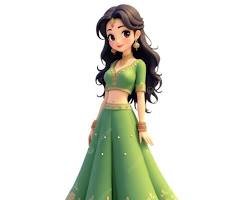
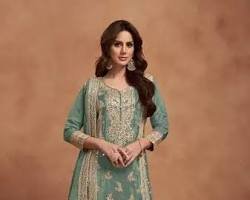
The "Desi Vibe" Connection The Festive Spirit: Nothing says "Desi" like the sound of bangles and the swirl of a Lehengas or Anarkalis. Traditional wear turns every gathering into a celebration of color and life. The "Ghar ki Baat" (A Sense of Home): Whether you are at home or abroad, wearing a Kurta or a Saree instantly connects you to your roots. It’s like carrying a piece of home with you wherever you go. Timeless elegance with beautiful secrets : While trends come and go, the Desi vibe is about evergreen style. A well-fitted Sherwani or a hand-loomed Saree never goes out of fashion—it only gets better with time.
Why Traditional Wear Never Goes Out of Style
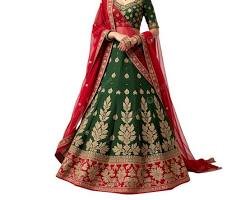
In a world of fast-moving trends, traditional wear stands as a symbol of timeless grace. Whether it's the intricate Zari work on a bridal gown or the simple elegance of a cotton Kurti, these garments carry the soul of our heritage. They aren't just for weddings; they are for every moment you want to feel connected to your roots.
The Art of the "Perfect Fit"
One of the best parts of Desi traditional wear is how it celebrates every silhouette.
Lehengas: Perfect for that royal, voluminous look.
Anarkalis: Ideal for a graceful, flowy vibe that suits every occasion.
Heavy Gowns: The ultimate choice for when you want to make a grand entrance.
Cultural Importance
Traditional clothing is vital to cultural identity because it preserves heritage, conveys values, and strengthens community bonds. It often serves as a living archive of history, spirituality, and artistry, making it more than just attire—it’s a cultural language.
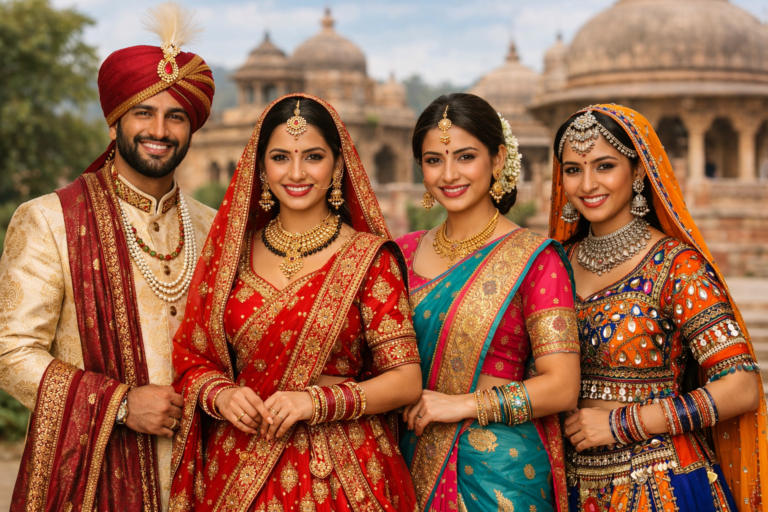
✨ Testimonials on Indian Traditional Clothes
Culture Pride
Global Connection
"Wearing a sari connects me to my grandmother and the generations before her. Each drape feels like carrying forward a legacy of grace and resilience. Indian traditional clothes are not just fashion — they are living history woven into fabric."
"Living abroad, I wear kurta-pajamas during festivals to feel closer to home. People often admire the elegance, and I proudly explain the cultural meaning behind each garment. Traditional Indian clothes help me carry my heritage wherever I go."
🌍 Global Comparison of Traditional Attire and Beliefs
Traditional attire across the globe is a profound reflection of cultural heritage, spiritual beliefs, and social identity, and when examined in comparison, it reveals both striking diversity and shared human values. In Asia, garments such as the Japanese kimono, Indian sari, and Korean hanbok embody elegance, harmony, and ancestral continuity, often worn during festivals, weddings, and religious ceremonies to symbolize respect forTraditional attire across the globe is a profound reflection of cultural heritage, spiritual beliefs, and social identity, weaving together the threads of history and faith into garments that transcend mere fashion. In Asia, the Japanese kimono embodies elegance and discipline, the Indian sari and dhoti symbolize grace and ritual purity, while the Korean hanbok represents harmony and balance. In Africa, the vibrant kente cloth of Ghana carries proverbs and lineage through its colors and patterns, the Ethiopian habesha kemis is worn during religious ceremonies, and the dashiki expresses pride and community identity. In Europe, the Scottish kilt reflects clan heritage, the Spanish flamenco dress symbolizes passion and artistry, and the Ukrainian vyshyvanka uses embroidery as a spiritual shield of protection and fertility. In the Middle East, garments like the Saudi thobe and women’s abaya emphasize modesty and devotion, while the Iranian chador reflects faith and identity. Across the Americas, indigenous attire such as the Mexican huipil and Native American ceremonial regalia embody spirituality and ancestral connection, while the Andean poncho reflects geography and cosmology through its woven designs. Despite their differences, these garments share common threads: they are worn during rituals and festivals, they preserve artisan craftsmanship, and they act as identity markers for communities. They resist cultural homogenization, keeping alive unique practices in a globalized world. Ultimately, traditional attire is not just fabric but a spiritual and cultural language, telling stories of who we are, what we believe, and where we come from — whether in Asia, Africa, Europe, the Middle East, or the Americas.